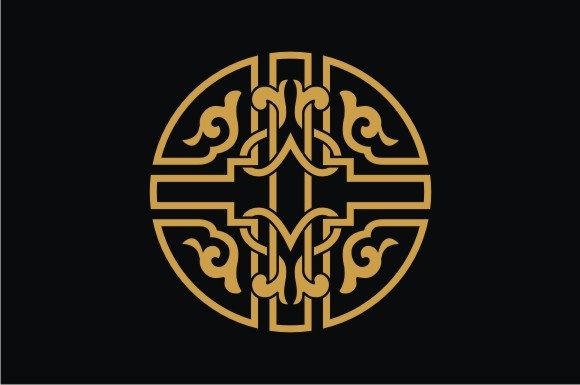
Chinese Decorative Element Colored Gold: A Timeless Art in Modern Design
The Essence of Chinese Decorative Elements
The Chinese decorative element is a profound expression of cultural heritage and artistic ingenuity. Rooted in centuries-old traditions, these elements often feature intricate patterns, symbolic motifs, and rich color palettes that reflect the philosophical and aesthetic values of Chinese civilization. Among these, the use of gold-colored decorative elements stands out for its opulence, symbolism, and adaptability across various design contexts.
Gold, as a color, has long been associated with prosperity, power, and divine favor in Chinese culture. When applied to decorative elements, it adds a layer of sophistication and timelessness that resonates across both historical and contemporary applications. Whether found in traditional architecture, modern interior design, or digital art, gold-colored Chinese decorative elements continue to captivate audiences worldwide.
Historical Significance of Gold-Colored Decorative Elements
The use of gold in Chinese decoration dates back to ancient dynasties such as the Han, Tang, and Ming periods. During these times, gold leaf was frequently used in temple murals, imperial palaces, and ceremonial objects. These decorations were not merely ornamental; they carried deep spiritual and cultural meanings. For instance, dragons, phoenixes, and cloud motifs rendered in gold symbolized imperial authority, harmony, and cosmic balance.
Artisans employed techniques like gilding and lacquering to create striking visual effects. The Chinese decorative element colored gold became synonymous with luxury and reverence, often reserved for religious sites and royal courts. This tradition has influenced modern interpretations, where gold continues to be a favored medium for conveying prestige and elegance.
Modern Applications of Chinese Decorative Elements in Gold
In today’s design landscape, the Chinese decorative element colored gold finds new life in diverse fields such as graphic design, fashion, architecture, and product packaging. Designers leverage these elements to evoke a sense of authenticity, cultural depth, and visual richness. The versatility of gold allows it to blend seamlessly into both traditional and contemporary aesthetics.
For example, in digital illustrations, artists use AI-generated tools to recreate classical Chinese motifs in high-resolution gold tones. These visuals are then exported in formats like AI, EPS, and JPG, making them accessible for use in print media, web banners, and mobile interfaces. Similarly, in interior design, gold-colored Chinese patterns appear on wall coverings, furniture, and textiles, adding a touch of exotic charm to spaces.
Business owners and marketers also find value in incorporating these elements into branding. Logos, packaging, and promotional materials featuring Chinese decorative elements colored gold can attract attention and convey a message of quality and heritage. This is especially effective in markets with a strong appreciation for Eastern aesthetics, such as Japan, South Korea, and Western countries with a growing interest in Asian culture.
Advantages of Using Chinese Decorative Elements in Gold
There are several advantages to integrating Chinese decorative elements colored gold into creative projects:
- Cultural Authenticity: These elements provide a genuine connection to Chinese artistry, enhancing the perceived value and uniqueness of a design.
- Versatility: Gold-colored motifs can be adapted to fit various styles, from minimalist to maximalist, ensuring broad appeal.
- Symbolic Meaning: Many motifs carry positive connotations, such as good fortune, longevity, and success, which resonate with a wide audience.
- Visual Impact: The contrast between gold and other colors creates a bold yet elegant look, drawing the eye and leaving a lasting impression.
These benefits make Chinese decorative elements colored gold an excellent choice for professionals seeking to stand out in competitive markets while honoring traditional craftsmanship.
Practical Considerations for Implementation
While the allure of Chinese decorative elements colored gold is undeniable, there are practical considerations to keep in mind when using them in real-world applications. First, the choice of file format is crucial. For scalable vector graphics, AI and EPS files are ideal, allowing for high-quality prints at any size. For digital use, JPG files offer convenience and compatibility with most platforms.
Designers should also pay attention to color accuracy. Gold can vary in tone from warm yellow to metallic sheen, depending on the lighting and surface it’s applied to. Ensuring consistency across different mediums is essential for maintaining the intended aesthetic.
Another consideration is the context in which the design will be used. In some cases, excessive ornamentation may overwhelm the composition. It’s important to strike a balance between detail and clarity, ensuring that the decorative elements enhance rather than detract from the overall message.
Case Studies and Real-World Examples
To better understand the application of Chinese decorative elements colored gold, let’s examine a few case studies:
Case Study 1: Luxury Brand Packaging
A high-end tea brand incorporated gold-colored Chinese floral patterns into its packaging design. The result was a visually stunning product that conveyed both tradition and exclusivity. The use of AI and EPS files allowed for consistent printing across multiple packaging sizes, ensuring a cohesive brand image.
Case Study 2: Interior Design Project
An interior designer used gold-colored Chinese cloud motifs on ceiling panels and wall accents in a boutique hotel. The effect created a sense of grandeur and cultural immersion, appealing to guests seeking a unique travel experience.
Case Study 3: Digital Illustration
An artist used an AI tool to generate a series of Chinese decorative elements colored gold for a digital art exhibition. The illustrations were exported as JPG files and displayed online, attracting a global audience interested in traditional art forms.
Trends and Future Outlook
The trend of incorporating Chinese decorative elements colored gold into modern design shows no signs of slowing down. As global interest in Eastern aesthetics continues to grow, so does the demand for culturally rich and visually striking designs.
Emerging technologies such as augmented reality (AR) and 3D printing are opening new possibilities for how these elements can be used. Imagine walking through a virtual gallery where golden Chinese motifs come to life, or a home decor item that features 3D-printed gold embellishments inspired by traditional patterns.
As we move forward, the key will be to maintain a balance between innovation and tradition. By respecting the origins of these elements while embracing modern techniques, designers can create work that honors the past while speaking to the present.