Natural Leaves Herbs in Vivid Color
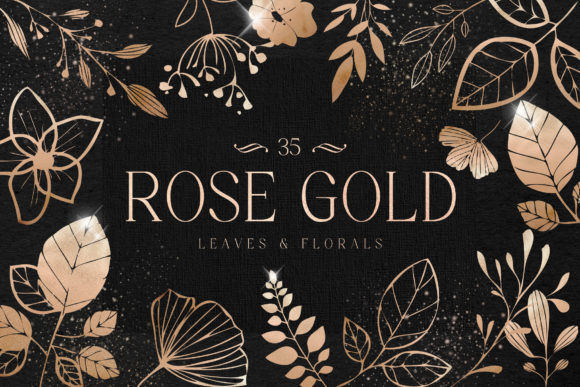
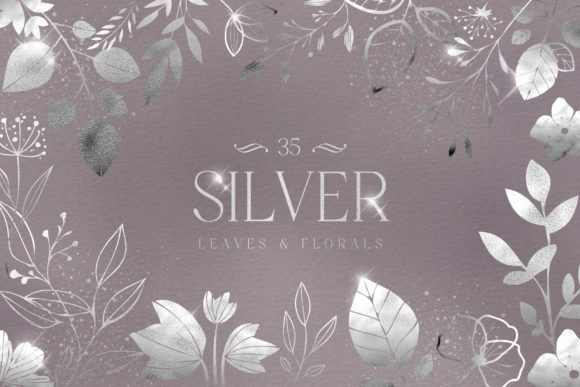
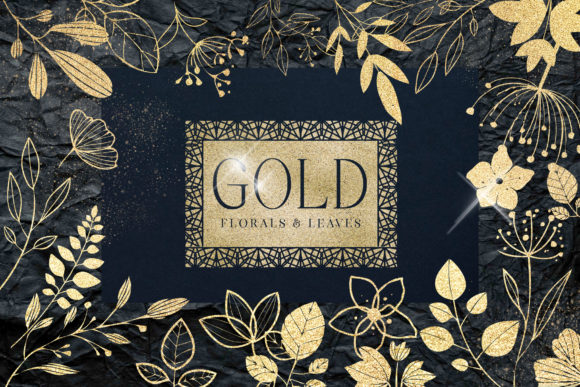
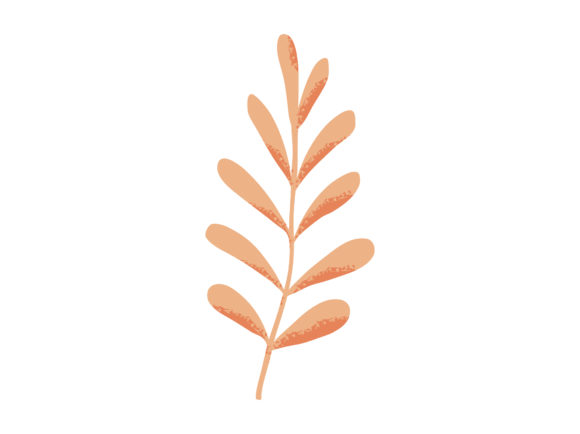
When you think of natural leaves and herbs, it's easy to imagine them in muted tones—green, brown, maybe a touch of yellow. But what if those same leaves and herbs were rendered in bold, vivid colors? Natural Leaves Herbs in Vivid Color brings the organic beauty of plant life into a whole new visual spectrum. This artistic interpretation is more than just eye-catching; it serves as a versatile design element for a variety of creative and practical applications.
Whether you're designing packaging for a herbal supplement brand or creating an illustrated backdrop for a wellness retreat, these vibrant depictions can elevate your work. The use of vivid color adds emotional depth and draws attention, making it ideal for environments where visual impact matters.
Real-World Applications of Natural Leaves Herbs in Vivid Color
The appeal of Natural Leaves Herbs in Vivid Color lies in its adaptability. Here are some real-world scenarios where this design asset can be put to good use:
- Product Packaging Design: For brands selling essential oils, teas, or herbal remedies, using these illustrations can make product packaging stand out on store shelves. A bright red leaf or a golden herb can instantly convey energy or warmth.
- Interior Decor: These images can be printed on fabric, wallpaper, or even used as digital backgrounds for home decor apps. Imagine a living room with wall art featuring a burst of orange flowers and green leaves.
- Event Branding: From yoga retreats to wellness expos, incorporating these visuals into promotional materials can create a cohesive and inviting aesthetic that aligns with nature-focused themes.
- Print Media and Publications: Magazines focused on health, gardening, or lifestyle often feature lush botanical illustrations. Vibrant leaves and herbs add a fresh, modern twist to traditional layouts.
Who Benefits from Using Natural Leaves Herbs in Vivid Color?
The beauty of Natural Leaves Herbs in Vivid Color is that it appeals to a wide range of users. Let’s explore how different audiences might find value in this design element:
Graphic Designers and Illustrators: These artists can use the files as a base for their own creations. Whether they need to modify the color palette or integrate the imagery into a larger composition, having access to high-quality EPS, JPG, or PNG files makes the process seamless.
Marketing Professionals: Marketers looking to create visually compelling campaigns will appreciate the versatility of these illustrations. They can be adapted for social media posts, banners, or email headers without losing quality.
Art Enthusiasts and Collectors: For those who enjoy collecting unique artwork, these illustrations offer a fresh take on botanical art. Their vivid hues make them suitable for framing or digital display.
Educational Institutions: Teachers and educators can incorporate these visuals into science lessons about botany or herbal medicine. The bold colors help students better distinguish between different plant species.
Choosing the Right File Type for Your Needs
Depending on your intended use, selecting the right file type is crucial. Natural Leaves Herbs in Vivid Color is available in three formats: EPS, JPG, and PNG. Each has its own strengths:
- EPS (Encapsulated PostScript): Ideal for print and professional design work. It maintains high resolution and allows for scalability without loss of quality.
- JPG (Joint Photographic Experts Group): Best suited for web use and digital displays. It offers good compression while maintaining decent image quality.
- PNG (Portable Network Graphics): Perfect for transparent backgrounds and online use. It supports alpha channels, making it great for overlays and graphic design projects.
Consider your project requirements before choosing a format. If you plan to use the image in a print publication, go with EPS. For website banners or social media content, JPG or PNG would be more appropriate.
Design Tips for Working with Natural Leaves Herbs in Vivid Color
While these illustrations are already vibrant, there are ways to enhance their impact when integrating them into your designs:
Color Contrast: Pair the vivid leaves with neutral backgrounds to ensure the imagery stands out. Think of a deep blue background with a fiery orange herb—it creates a striking visual contrast.
Layering Elements: Use these illustrations as part of a larger composition. Layering them with other botanical elements or abstract shapes can add complexity and interest to your design.
Scaling and Placement: When working with EPS files, scale the image as needed without worrying about pixelation. Place it strategically within your layout to guide the viewer's eye through the design.
Text Integration: Incorporating text alongside the imagery can be effective. Make sure the text doesn’t overpower the illustration but complements it. Use fonts that echo the organic feel of the design.
Limitations and Considerations
While Natural Leaves Herbs in Vivid Color is a powerful design tool, it's important to consider a few limitations:
Cultural Sensitivity: Some colors may have specific cultural meanings. Before using certain hues in a design, research whether they could be misinterpreted in different regions or contexts.
Overuse: While vibrant visuals are appealing, overusing them can lead to a cluttered or overwhelming design. Balance is key when incorporating these elements into your work.
File Size: High-resolution EPS files can be large in size, which may affect loading times if used on websites. Optimize the file for web use when necessary.
Contextual Relevance: Ensure that the use of vivid colors aligns with the overall theme or message of your project. A calming meditation app, for example, might benefit more from soft tones than bold ones.
By keeping these considerations in mind, you can maximize the potential of Natural Leaves Herbs in Vivid Color while avoiding common pitfalls.