We Wish You a Merry Christmas: A Guide to Festive Greeting Card Designs
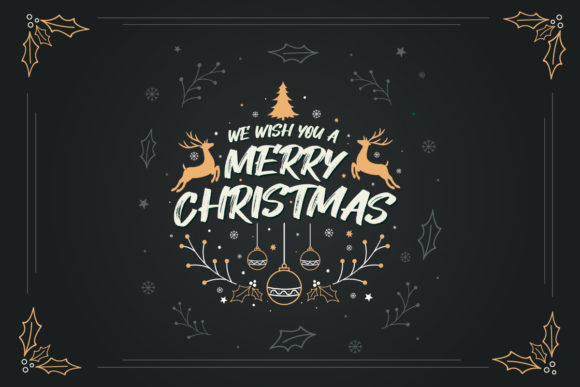
As the holiday season approaches, one of the most cherished traditions is sending out Merry Christmas greetings. The phrase "We wish you a merry Christmas" has become synonymous with the festive spirit, often featured on greeting cards that capture the magic of the season. These cards are not just simple pieces of paper; they are artistic expressions filled with symbolism, creativity, and tradition. In this article, we'll explore the design elements commonly found in "We wish you a merry Christmas" greeting cards, including snowflakes, holly leaves, stars, deer, and other Christmas decorative elements. We'll also discuss the formats in which these designs are available—such as AI, EPS, PDF, SVG, DXF, PNG Transparent, and JPEG—and how they can be used for various purposes.
The Significance of Christmas Greeting Cards
Christmas greeting cards have been a part of holiday traditions for over a century. They serve as a way to spread joy, express gratitude, and maintain connections with friends, family, and colleagues. The phrase "We wish you a merry Christmas" is rooted in a traditional English carol that dates back to the 19th century. This carol, with its catchy melody and simple lyrics, has become a staple of the holiday season, making it a popular choice for greeting card messages.
Modern greeting cards take inspiration from this tradition while incorporating contemporary design elements. The use of visual motifs such as snowflakes, holly leaves, stars, and deer adds to the festive atmosphere and helps convey the warmth and cheer associated with the season.
Design Elements in Christmas Greeting Cards
Christmas greeting card designs are rich in symbolism and visual appeal. Here are some of the most common elements you’ll find:
- Snowflakes: Representing the winter season, snowflakes add a sense of wonder and magic to the design. Each snowflake is unique, much like the personal messages people send through their cards.
- Holly Leaves: A symbol of protection and good fortune, holly leaves are often used in Christmas decorations. Their red berries are a nod to the color of Christmas, making them a popular choice in greeting card designs.
- Stars: Stars, especially the Star of Bethlehem, are a key symbol of Christmas. They represent hope, guidance, and the birth of Jesus Christ. In greeting cards, stars often appear as part of a larger scene or as a standalone motif.
- Deer: Santa Claus's reindeer are an iconic part of Christmas imagery. Including deer in greeting card designs brings a sense of fun and nostalgia, reminding people of the magical journey of Santa’s sleigh.
- Other Decorative Elements: Additional elements such as bells, bows, candy canes, and gift boxes further enhance the festive theme. These details help create a cohesive and visually appealing design that captures the essence of the holiday season.
Understanding the File Formats Available for Christmas Greeting Card Designs
If you're looking to use a "We wish you a merry Christmas" greeting card design for printing, digital use, or editing, it's important to understand the different file formats available. Each format serves a specific purpose and offers unique advantages depending on your needs.
Common File Formats and Their Uses
Here’s a breakdown of the most common file formats you might encounter when downloading or purchasing a Christmas greeting card design:
- AI (Adobe Illustrator): This vector-based format is ideal for high-quality print and scalable graphics. It allows for easy editing of individual elements, making it a favorite among graphic designers.
- EPS (Encapsulated PostScript): Another vector format, EPS is widely used for professional printing. It ensures crisp lines and sharp images, even when scaled up.
- PDF (Portable Document Format): A versatile format that preserves the layout and quality of the design. PDFs are great for both digital and print use and can be easily shared across devices.
- SVG (Scalable Vector Graphics): This format is perfect for web use and digital illustrations. SVG files are resolution-independent, meaning they look sharp on any screen size.
- DXF (Drawing Exchange Format): Commonly used in CAD software, DXF files are suitable for technical drawings and laser cutting projects. They are often used for creating intricate Christmas decorations.
- PNG Transparent: A raster image format with transparency support. PNG files are excellent for using in websites, apps, or social media where transparency is needed.
- JPEG (Joint Photographic Experts Group): A widely used image format known for its high compression and small file size. JPEGs are ideal for sharing on social media or embedding in websites.
How to Use Christmas Greeting Card Designs in Modern Life
In today’s digital age, Christmas greeting card designs are more than just physical cards—they can be integrated into various aspects of modern life. Whether you're a designer, a small business owner, or someone who simply wants to share holiday cheer, there are countless ways to utilize these designs.
For designers, having access to a variety of file formats means greater flexibility in creating custom greeting cards, banners, logos, and other holiday-themed content. For business owners, Christmas greeting cards can be a great way to connect with customers and build brand loyalty. Sending personalized cards with your company logo and message can leave a lasting impression.
Students and educators can also benefit from using Christmas greeting card designs. Teachers can incorporate them into classroom activities, while students can use them to create digital projects or decorate school events. Additionally, these designs can be used in creative writing exercises or art classes to explore themes of celebration and tradition.
Even tech enthusiasts can enjoy using Christmas greeting card designs. From creating animated holiday greetings to designing interactive web pages, the possibilities are endless. With the right tools and formats, anyone can bring a festive touch to their online presence or digital creations.
Common Misconceptions About Christmas Greeting Card Designs
There are several misconceptions about Christmas greeting card designs that may lead to confusion or incorrect usage. One common misunderstanding is that all greeting card designs are only meant for traditional paper cards. In reality, many of these designs can be adapted for digital use, such as email signatures, social media posts, or website banners.
Another misconception is that certain file formats are outdated or unnecessary. While JPEG and PNG are widely used for digital purposes, formats like AI and EPS remain essential for high-quality printing and professional design work. Understanding the strengths and limitations of each format can help you choose the best one for your project.
Conclusion: Embrace the Spirit of Christmas Through Design
Whether you're sending a traditional "We wish you a merry Christmas" greeting card or using a digital design to celebrate the season, the key is to embrace the spirit of the holidays. Christmas greeting card designs are more than just visuals—they carry meaning, history, and emotion. By understanding the elements that make these designs special and the formats in which they are available, you can make the most of them in your own creative endeavors.
So this holiday season, take a moment to appreciate the beauty of Christmas greeting cards and the joy they bring. Whether you're designing, printing, or simply enjoying a card, remember that every element—from the snowflakes to the deer—is a part of a larger story of love, tradition, and celebration.